solar_power
Solar4Ever Private Limited
Home / Blog & Insights

Solar Energy Insights & Technical Guides

Expert engineering analysis, policy breakdowns, and best practices to help you navigate your rooftop solar journey across West Bengal.

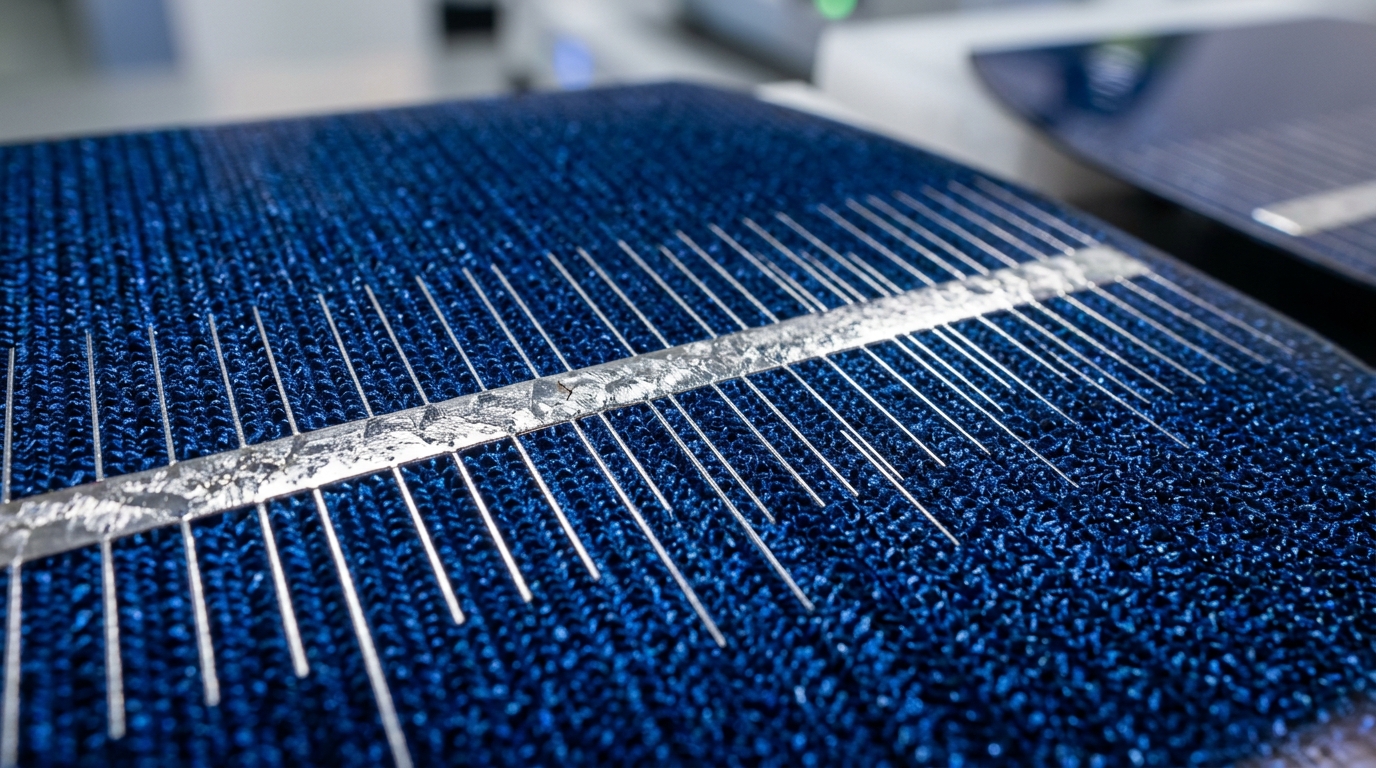
Mono PERC vs N-Type TOPCon solar cell wafer
Technology Guide
Dec 5, 2024 • 5 Min Read

Understanding Solar Panel Types: Mono PERC vs N-Type TOPCon

The rooftop solar industry has rapidly transitioned from P-Type Mono PERC to next-generation N-Type TOPCon (Tunnel Oxide Passivated Contact) technology. N-Type cells eliminate Light-Induced Degradation (LID) almost completely, offering module efficiencies exceeding 22.5% compared to 20.8% for standard PERC.

Crucially for West Bengal where summer roof surface temperatures exceed 45°C, N-Type panels boast a superior temperature coefficient (-0.30%/°C vs -0.35%/°C), producing up to 3–5% more power on sweltering sunny days.

Key Takeaway: If you have limited rooftop space, N-Type TOPCon modules deliver the highest electricity generation per square foot.
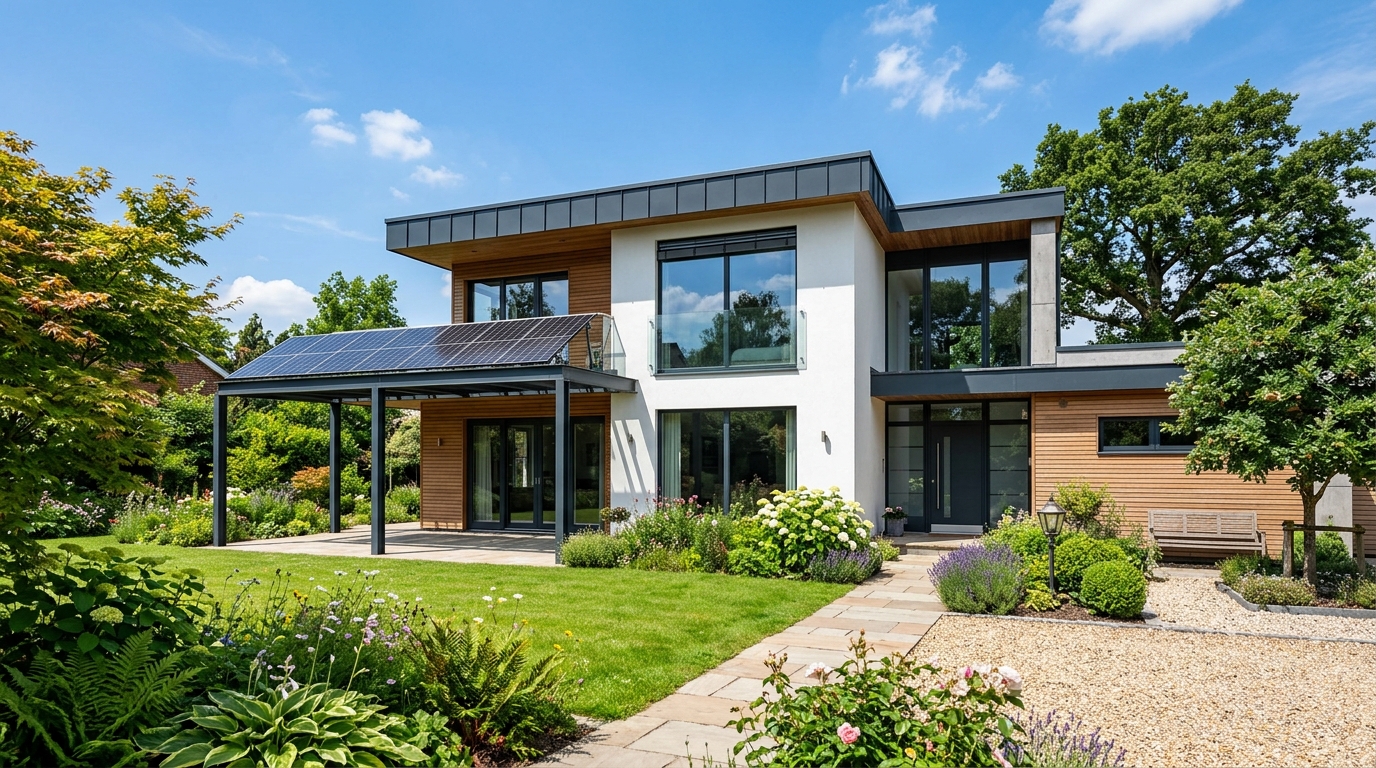
DCR solar modules under PM Surya Ghar Muft Bijli Yojana
Policy & Subsidy
Dec 3, 2024 • 6 Min Read

DCR vs Non-DCR Solar Modules: Complete Subsidy Guide

Under the Government of India’s PM Surya Ghar: Muft Bijli Yojana, residential subsidies (up to ₹78,000 for systems 3 kW and above) are strictly tied to DCR (Domestic Content Requirement) compliant modules.

A DCR module requires that both the solar cells AND the module assembly take place inside India by certified manufacturers like Waaree, Tata Power Solar, or Vikram Solar. Non-DCR modules use imported silicon cells and are only suitable for commercial/industrial setups where DBT subsidies do not apply.

Key Takeaway: For residential homeowners, always choose DCR certified modules to claim your ₹78,000 direct bank transfer subsidy.
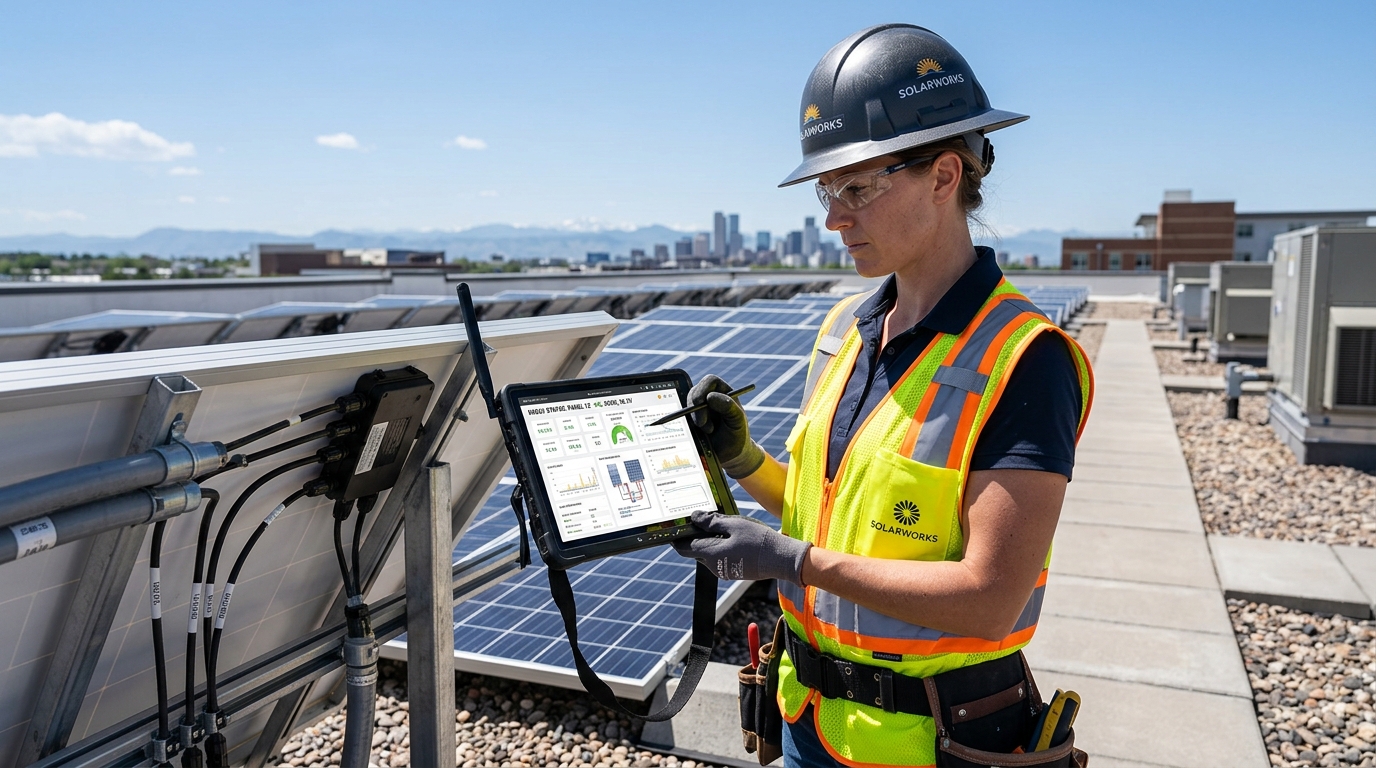
Solar panel cleaning and maintenance guide
O&M Maintenance
Nov 25, 2024 • 4 Min Read

How to Clean Solar Panels: Expert Maintenance Guide

Industrial atmospheric particulates and seasonal dust across West Bengal cause severe module soiling. Studies prove that soiling can degrade panel power generation by 15% to 25% within just two dry months.

Follow these three fundamental rules: 1) Clean only early morning or after sunset when glass is cool to avoid thermal shock breakage; 2) Use low TDS de-ionized water to prevent hard-scale lime deposits; 3) Never use high-pressure abrasive jets or wire brushes which scratch the anti-reflective coating.

Key Takeaway: Bi-weekly soft wiping or subscribing to Solar4Ever's O&M plan recovers up to 20% lost generation instantly.
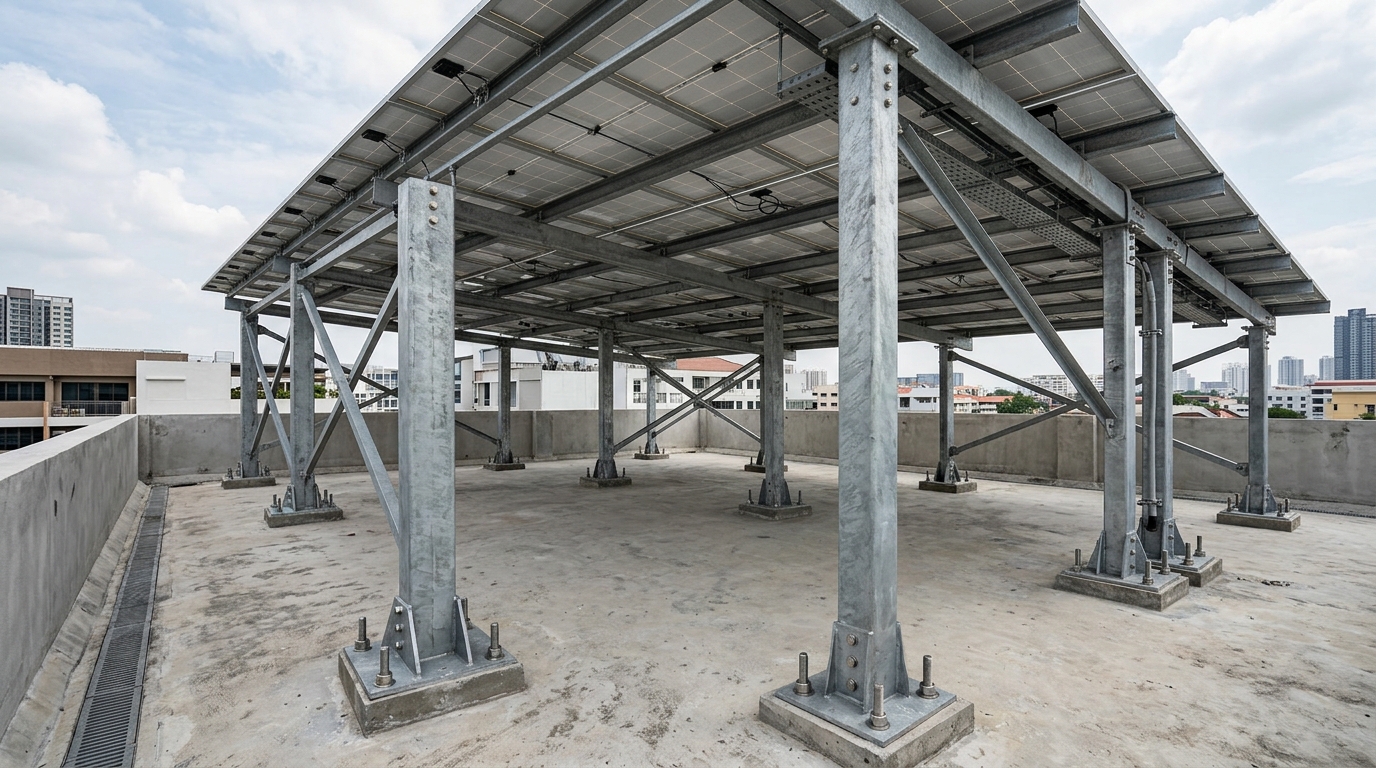
Heavy duty solar mounting structure for Bengal cyclonic weather
Civil Engineering
Nov 15, 2024 • 5 Min Read

Solar Structure Types: Which is Best for Bengal Roofs?

West Bengal is prone to cyclonic weather and heavy monsoon rains (e.g. Amphan, Remal). Your mounting structure is the structural spine that must keep panels secure for 30 years without damaging your roof terrace.

Elevated Hot-Dip Galvanized (HDG) pergola structures are the gold standard for concrete RCC terraces in Kolkata and Howrah. They raise panels 7 to 9 feet high, providing shade while preserving 100% of usable floor area. For industrial tin sheds, non-penetrating standing seam clamps prevent water leakage completely.

Key Takeaway: Solar4Ever installs certified structures tested for wind speeds up to 150 km/h with stainless steel 304 fasteners.

Have Technical Questions for Our Engineers?

Schedule a technical consultation tailored to your specific roof dimensions and loads.